Safe Harbor Academy HS
guides & acompnies you
Education tailored to each student!
We are homeschoolers ourselves, and we exist to support and facilitate homeschooling as an educational choice.
We provide curriculum, record keeping, advisors, testing, and issue school grades and diplomas according to your needs.
We strive to create a supportive community that fosters creativity, critical thinking, and lifelong learning. By offering resources, guidance, and a collaborative environment, we aim to nurture each child's unique potential and instill a love of learning.
We envision a vibrant community where families feel confident and equipped to educate their children at home. Safe Harbor Academy HS aspires to promote educational freedom, innovation, and inclusivity, ensuring that every child has access to quality
education tailored to their individual needs and aspirations.
GRADES

PRESCHOOL (2 - 5 grades)
Early childhood education can mean different things. It refers to the learning that occurs before kindergarten. It is not required by law. Early childhood education includes daycare and preschool. Ages can vary depending on the place you choose to send your child. Daycare can start a few months after a child's birth, while preschool can begin at age 2. Children at this stage develop skills such as: * Early Maths, * Language, * Vocabulary, * Listening Skills, and * Problem Solving.
ELEMENTARY SCHOOL (5 - 10 grades)
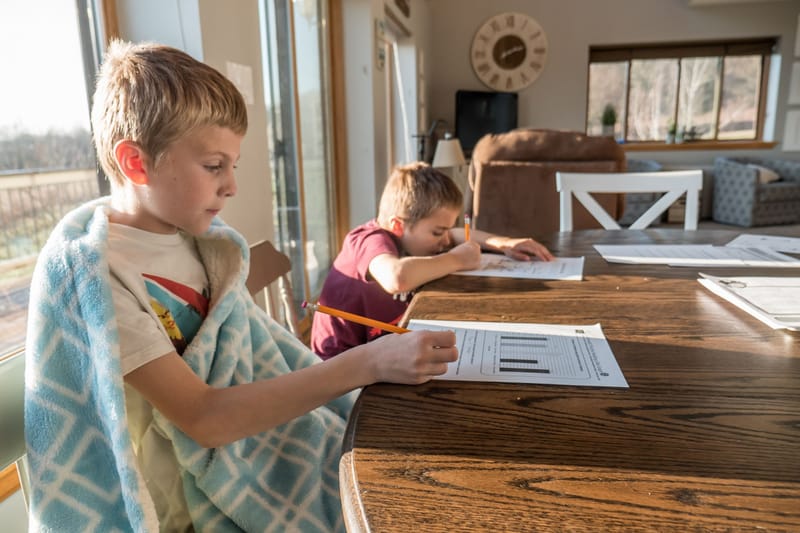
Children start elementary school with kindergarten (grade K) around age 5. The following year is grade 1, and they progress each year until grade 5. They finish elementary school around the age of 10. They learn to develop the following skills: * Writing and math skills, * Reading, * Critical thinking, and * Problem-solving.

MIDDLE SCHOOL (11 - 13 grades)
Middle school students are typically around 11 to 13 years old. They start in grade 6 and finish in grade 8. In middle school, students learn: * English (grammar, spelling, reading comprehension, and sentence structure) * Mathematics (fractions, decimals, percentages, solving equations) * Science (earth science, basic biology, basic chemistry concepts) * Social Studies (civics education, government, and basic economics)
HIGH SCHOOL (9 - 12 grades)
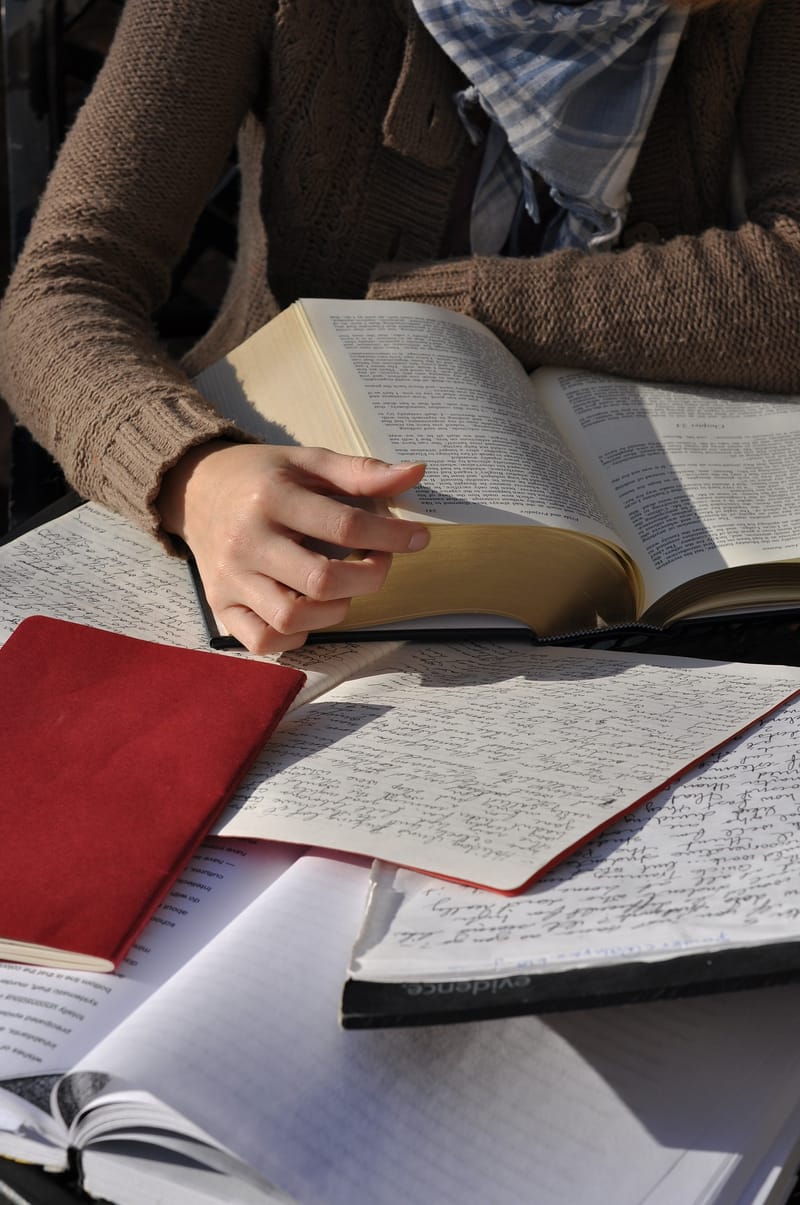
Students who attend high school are typically around 14 to 18 years old. They start in grade 9 and finish in grade 12. Classes are organized by subject. In high school, students learn: * English (classic literature, essay writing, and critical analysis) * Mathematics (algebra, geometry, calculus) * Science (biology, chemistry, physics) * Social Studies (U.S. history, world history, and civics education) There are specific names for students in each grade: - 12th grade: senior - 10th grade: sophomore - 1th grade: junior - 12th grade: senior
- A photocopy of the student's birth certificate (DO NOT send originals).
- A copy of each student's birth certificate, and
- A copy of each student's recent Health Exam form not more than 12-months old,
- And a copy of each student's Immunization Record.
Parents electing both or either of the Religious Exemptions for the Health Form and Immunization Record, must still submit a copy of the student's birth certificate
All documents required by the state must be submitted with your enrollment, either by uploading them with the Enrollment Form or by emailing them to academy.safe.harbor@gmail.com. Religious exemption statements* can be selected on the enrollment form.
For further information, contact us.
ACCREDITATION
CERTIFICATION
Certification is granted to students who are enrolled in and have completed a grade level at Safe Harbor Academy HS. This certification is available to all students using an approved or accredited curriculum. For those not using approved curricula, additional information, proof of academic achievement, and testing may be required.

REVALIDATION
Revalidation is the procedure for certifying a student's studies with their national government. Although we cannot assure you that our American certificates and transcripts will be revalidated in every country, we provide support with revalidation, Hague Apostilles, and notarizations to facilitate the process.

HAGUE APOSTILLE
On the other hand, for families that require it, we can provide an Apostille, which certifies documents for international recognition in the 91 countries of the 1961 Hague Convention.
You can enroll in Safe Harbor Acedemy since no state law prohibit it, but not all states will accept this enrollmente to bypass homeschooling requirements. Consequenntly, you may still need permission from the school superintedent.
We are located in Florida, parents who choose to homeschool their children must submit a notice of intent to the local school district, indicating their intention to provide home education. While there is no mandated curriculum that must be followed, parents are required to deliver an education that is "substantially similar" to that of public schools.
Additionally, homeschooled students must undergo annual evaluations, which can be completed through standardized tests or assessments by a certified evaluator. Parents are also responsible for maintaining comprehensive records of their children's educational activities, including attendance and work samples.
The main benefit of enrolling is receiving a diploma and transcript, which can be valuable for job or college applications. This allows you to apply as a private school student rather than as a homeschooler, simplifying the process.
"No matter where you are, Safe Harbor Academy HS guide you through this process."